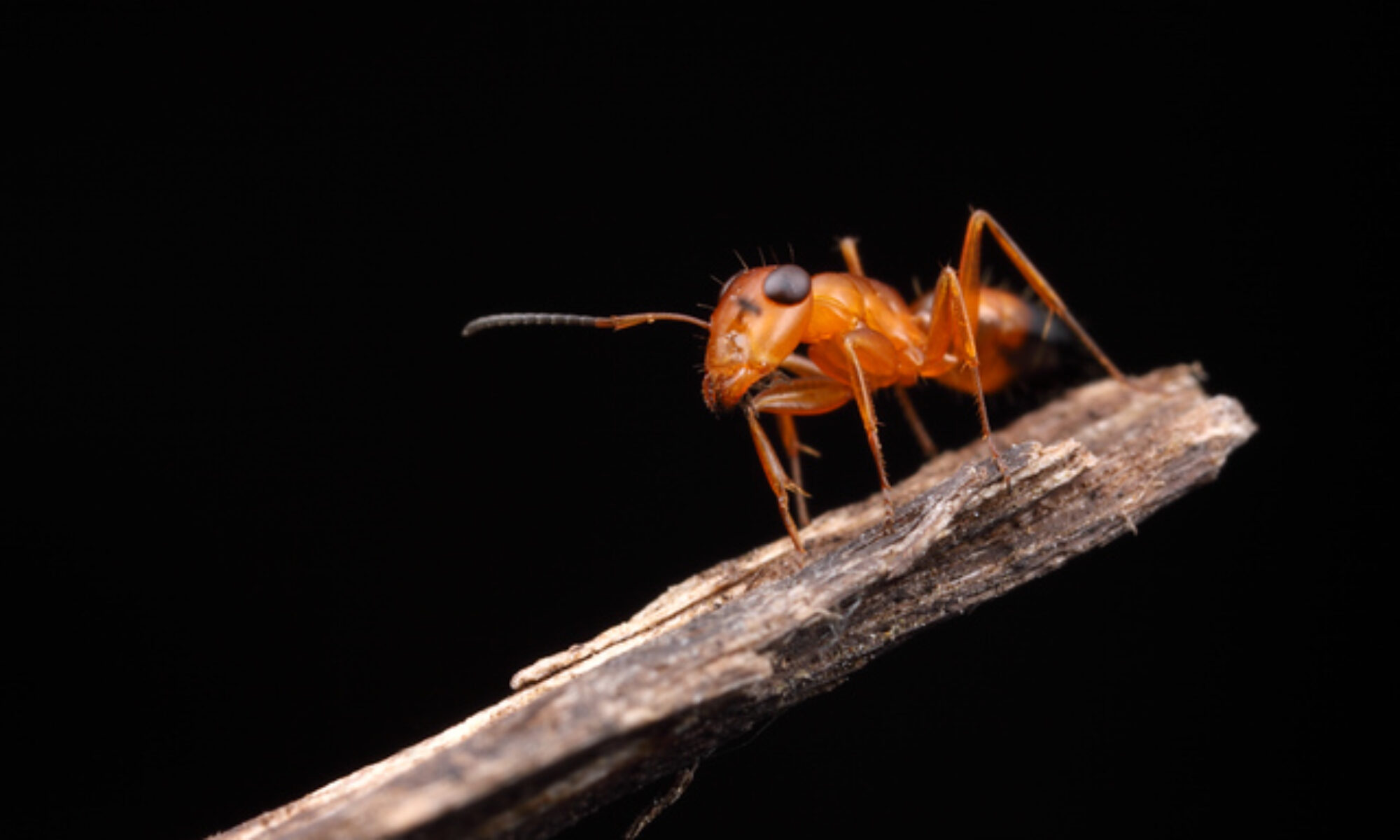
We do research to learn how animals respond to environmental challenges. Most of this work is focused on the thermal ecology of near-infrared reflectivity in ants and birds.
The increased thermal stresses of climate change are complicated by urbanization, the spread of non-indigenous species, and disturbance events. To protect human welfare and biodiversity, we need scientific knowledge to support evidence-based decisions, and we need scientists to build genuine partnerships with communities to address shared challenges.
Our research agenda addresses emerging questions in ecology and biodiversity, while preparing the next generation of scientists to solve problems within and beyond our academic community.
Our approach to doing science prioritizes the well-being, professional development, and safety of our community and those we serve. As such, we engage in efforts to enhance diversity, equity, inclusion, representation, access, and justice in the academic community.